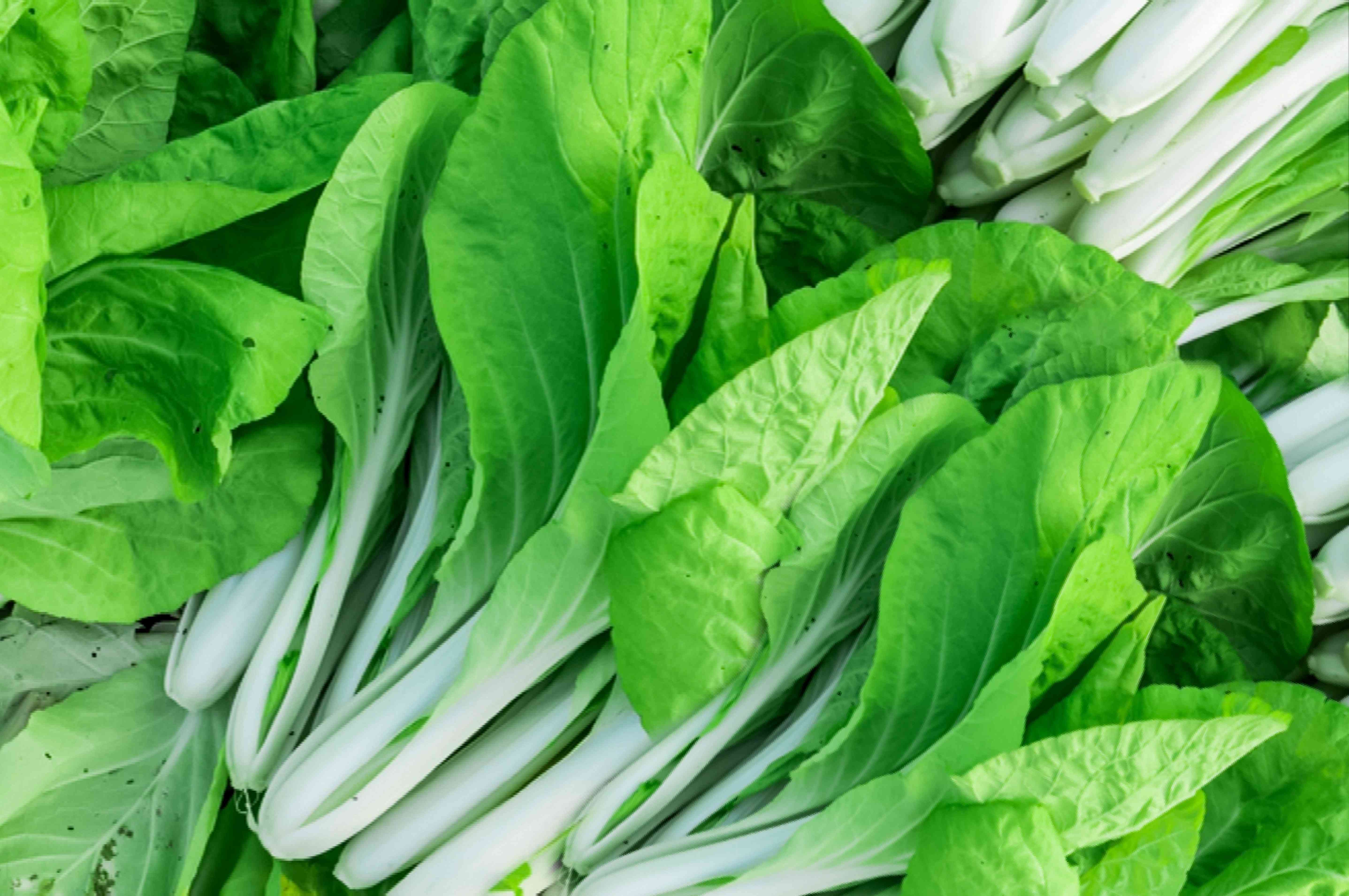
Imagine crisp, tender greens ready for your salad or stir-fry, picked just moments before they hit your plate. No trips to the grocery store, no worries about pesticides, and no waiting for the perfect outdoor weather. This isn't a gardener's fantasy; it's the reality of learning how to grow bok choy indoors. This vibrant, nutritious leafy green thrives in a controlled indoor environment, offering a continuous supply of fresh produce right from your kitchen.
Bok choy, also known as Chinese cabbage or pak choi, is a staple in Asian cuisine and an increasingly popular addition to Western diets. Packed with vitamins A, C, and K, as well as essential minerals like calcium and iron, it's a nutritional powerhouse. Its mild, slightly sweet flavor and satisfying crunch make it incredibly versatile. Whether you're a seasoned green thumb or a complete beginner, discovering how to grow bok choy indoors is a rewarding journey that delivers rapid results and unparalleled freshness.
Why Grow Bok Choy Indoors? Unlocking Freshness & Convenience
The decision to cultivate bok choy within the comfort of your home comes with a plethora of advantages that make it an irresistible project for any aspiring indoor gardener.
Year-Round Harvests, Pest-Free Peace
One of the most compelling reasons to grow bok choy indoors is the ability to enjoy fresh greens year-round, completely independent of external climate conditions. While bok choy is generally a cool-weather crop, outdoor conditions can be unpredictable, ranging from scorching summers to freezing winters that halt growth. Indoors, you become the master of its environment, ensuring ideal temperatures and light that keep your plants thriving through every season. This consistent environment also acts as a natural shield against common outdoor pests and diseases, drastically reducing the need for chemical interventions and giving you cleaner, healthier produce. For a deeper dive into this benefit, read our article: Grow Bok Choy Indoors: Your Year-Round Supply of Nutritious Greens.
Nutritional Powerhouse at Your Fingertips
Beyond convenience, the nutritional value of freshly harvested bok choy is unmatched. Straight from your indoor garden to your plate, you retain maximum vitamin content that can degrade quickly in store-bought produce. You'll have an immediate source of antioxidants, bone-strengthening Vitamin K, and immune-boosting Vitamin C, all contributing to your overall well-being. Plus, the simple act of nurturing plants indoors creates a calming, green ambiance, which many studies link to reduced stress and increased happiness.
The Joy of Rapid Growth
If instant gratification is what you seek, bok choy delivers. This oriental vegetable is celebrated for its remarkably fast growth rate. From seed to harvest, you can expect to be snipping your first leaves in approximately 30-45 days, making it one of the quickest leafy greens to mature – comparable to fast-growing lettuces. This rapid turnaround is incredibly motivating, especially for apartment dwellers or those with limited space who want to see tangible results quickly. Moreover, bok choy plants are compact, making them ideal for windowsills, shelves, or small corners under grow lights.
Essential Steps for Indoor Bok Choy Success
Ready to embark on your indoor bok choy adventure? Here's everything you need to know to set up your garden for success.
Choosing Your Seeds and Growing Medium
The foundation of a successful indoor bok choy harvest begins with quality seeds. Look for reputable seed suppliers, either online or at your local garden center. While traditional green bok choy is fantastic, consider trying Purple Bok Choy Indoors: Vibrant Greens & Easy Growing Tips for an added splash of color and the same great taste and benefits. Once you have your seeds, the next crucial component is your growing medium. While a standard well-drained potting mix works well, coco coir (made from coconut husks) is an outstanding, sustainable alternative. Coco coir excels in moisture retention, drainage, and aeration, providing an optimal environment for roots to flourish. It’s also naturally pest-resistant and easy to manage.
- Seed Selection: High-quality green or purple bok choy seeds.
- Growing Medium: Well-drained potting mix or coco coir.
- Pots: Choose pots or containers that are at least 6 inches deep and have drainage holes. Shallow, wide containers are also excellent for growing multiple plants.
Planting and Initial Care
With your materials gathered, it’s time to plant. Fill your chosen containers with your prepared growing medium, leaving about an inch of space from the rim. Sow seeds approximately 1/4 to 1/2 inch deep and about 1-2 inches apart if you plan to thin them later, or 4-6 inches apart if you want to grow full-sized heads. Lightly cover the seeds with soil and gently water to moisten the entire medium. For faster germination, you can cover the pots loosely with plastic wrap to create a mini-greenhouse effect, removing it once seedlings emerge, usually within 5-10 days.
Light, Water, and Temperature: The Perfect Balance
Mastering these three elements is key to thriving indoor bok choy:
- Light: Bok choy needs at least 6 hours of indirect sunlight daily. A sunny south-facing window is ideal, but if natural light is insufficient, full-spectrum LED grow lights are a fantastic investment. Place grow lights 4-6 inches above the seedlings for 12-14 hours a day.
- Water: Consistency is crucial. Keep the soil consistently moist but never waterlogged. The best way to check is by feeling the top inch of the soil – if it feels dry, it's time to water. Good drainage is paramount to prevent root rot.
- Temperature: Bok choy prefers cooler temperatures, making it an excellent choice for indoor growing where you can avoid summer heat. Aim for indoor temperatures between 60-75°F (15-24°C). Avoid placing your bok choy near heat vents or drafty windows.
- Fertilization: While bok choy grows quickly, it can benefit from a light feeding. Once seedlings have developed a few true leaves, you can begin to use a balanced liquid fertilizer diluted to half strength every 2-3 weeks.
Harvesting Your Bounty & Encouraging More Growth
The moment you've been waiting for! Harvesting bok choy is simple and can be done in two main ways to maximize your yield.
When and How to Harvest
Bok choy is typically ready for its first harvest in about 30-45 days. You'll know it's ready when the leaves are fully formed and appear lush and compact. The beauty of bok choy is its flexibility in harvesting:
- Outer Leaf Harvest (Cut-and-Come-Again): For continuous harvests, simply snip the outer leaves near the base of the plant, leaving the inner leaves and central growing point intact. This method allows the plant to continue producing new leaves for several weeks. Younger leaves tend to be sweeter and more tender.
- Whole Plant Harvest: If you prefer to harvest the entire head, simply cut the plant at the soil line. You can often get another small flush of growth if you leave a small stump, but for larger yields, it's usually better to replant.
Harvesting regularly encourages the plant to produce more, ensuring a steady supply of fresh greens. Aim to harvest in the morning when the leaves are most turgid and flavorful.
Tips for Continuous Yields
To ensure you always have fresh bok choy, consider staggering your plantings. Sow a new batch of seeds every 2-3 weeks. This way, as one plant finishes its productive cycle, another is ready to take its place. Also, remember that consistent watering and occasional light fertilization will keep your plants vigorous and productive.
Troubleshooting Common Indoor Bok Choy Challenges
Even with the best intentions, indoor gardening can sometimes present minor hurdles. Here are a few common issues and how to address them:
- Leggy Growth: If your bok choy seedlings appear stretched and spindly, reaching for the light, it means they aren't getting enough. Move them closer to a window or adjust your grow light to be closer to the plants (4-6 inches above the foliage).
- Yellowing Leaves: This can indicate several issues. If older, lower leaves are yellowing, it might be a sign of nutrient deficiency (especially nitrogen) or simply the plant shedding older leaves. If all leaves are yellowing, it could be overwatering (leading to root rot) or a lack of light. Check your watering habits and light source.
- Pests (Even Indoors): While less common, indoor plants can sometimes attract pests like fungus gnats (due to overly moist soil) or spider mites (in dry conditions). For fungus gnats, let the top layer of soil dry out between waterings. For spider mites, increase humidity and use a natural insecticidal soap. Good air circulation can also help deter pests and prevent fungal issues.
Growing bok choy indoors is a remarkably straightforward and rewarding endeavor. It offers the unparalleled joy of harvesting fresh, nutritious greens right from your home, regardless of the season or external conditions. With minimal effort and a little attention to light, water, and temperature, you'll be enjoying quick, delicious results from your very own indoor garden. So why wait? Get started today and transform your living space into a vibrant, productive haven of fresh bok choy.
